





Seven years ago, Allison Christel was 25, working as a nurse, and running on empty. Her husband was going through a major health crisis, and
Ex- Pfizer Executive Dr. Mike Yeadon: There was no Pandemic, and the lie was Maintained in Order to Inject 5.5 Billion People with an Intentionally
Naomi Wolf Nails It: The Biggest Shocker in the Pfizer Docs isn’t the Side Effects we’ve been Aware of, it’s that the Vaccine is Designed

Terrifying New Details of Canada’s Advancing Assisted Suicide Laws… Including Push to Euthanize Newborn BABIES By GERMANIA RODRIGUEZ POLEO, US CHIEF REPORTER Canada’s assisted suicide

As people get older and become less active, their bodies change in subtle but significant ways. Muscle mass declines, metabolism slows, and gaining body fat

Every night while you sleep, a microscopic cleaning crew moves through your eyes and flushes out the biochemical debris—a recovery process your retinas depend on
RFK Jr: The Gardasil HPV Vaccine — is 37 TIMES MORE LETHAL than the Cancer it Claims to Prevent By LauraAboli “Gardasil is the single
World Renowned Oncologist Professor Angus Dalgleish: “I’m Terrified what they’ve done… Fauci and Gates have Injected the World with CANCER!” By LauraAboli The mRNA shots

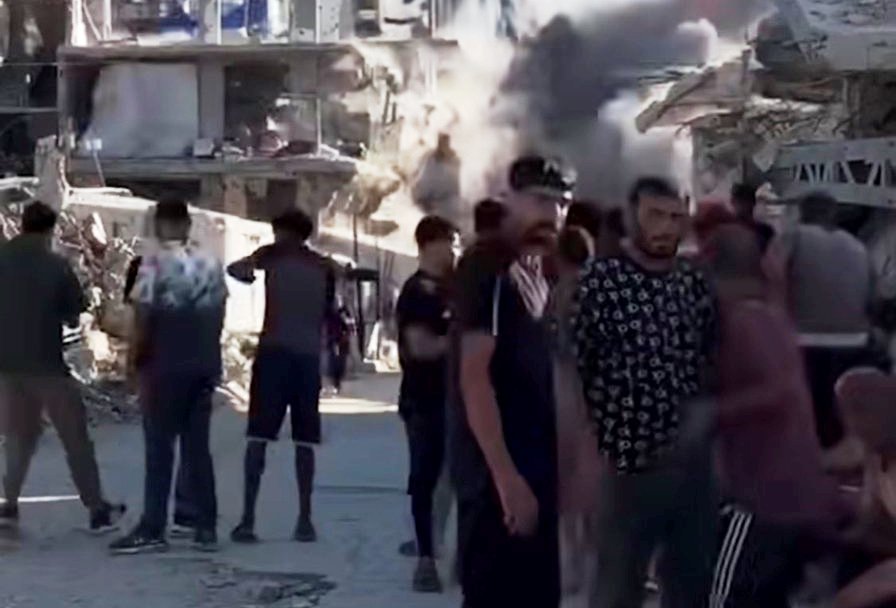
Are those Remaining Neutral re the Gaza Genocide, are they Just Gutless Cowards or Simply Dumbed down Westerners Standing Foolishly with the Devil, or Perhaps Both? By Jamie Mcintyre Are those remaining neutral re the Gaza genocide, are they just gutless cowards or simply dumbed down westerners standing foolishly with
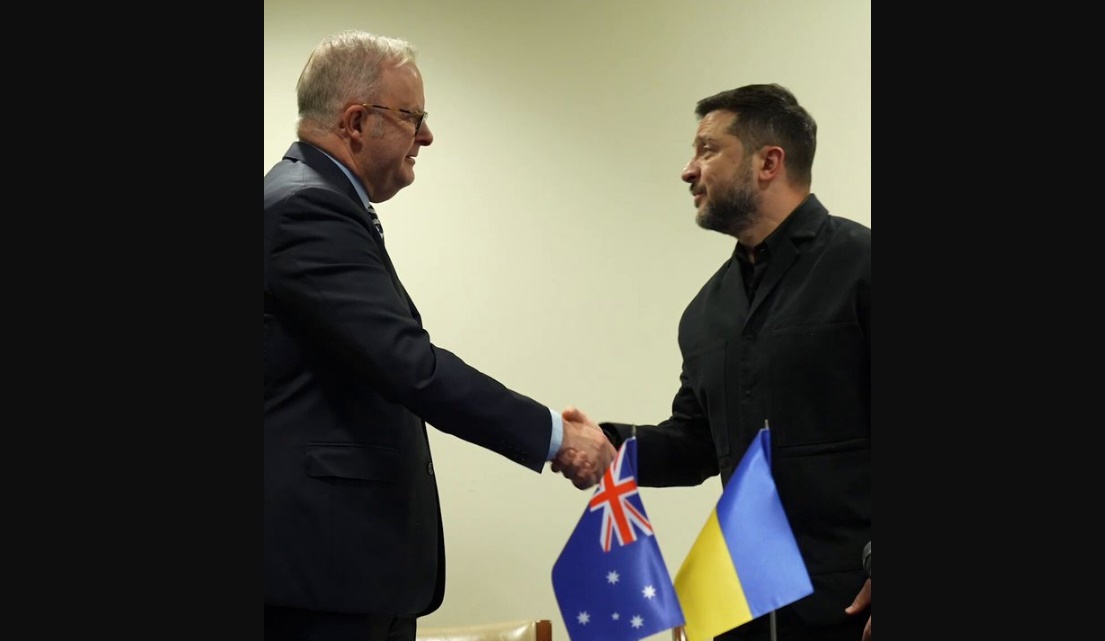
Australia Commits more Weapons to Murdering Russians (A Christian Nation who has never Bothered Australia) and Stands on the Side of Jewkraine and the Genocide to Wipe out Slavs for Rothschild’s Fake Jewish Siblings and Death Cult to Flood Back to Kharazaria By Jamie Mcintyre Wow, Australia! Commits more Weapons
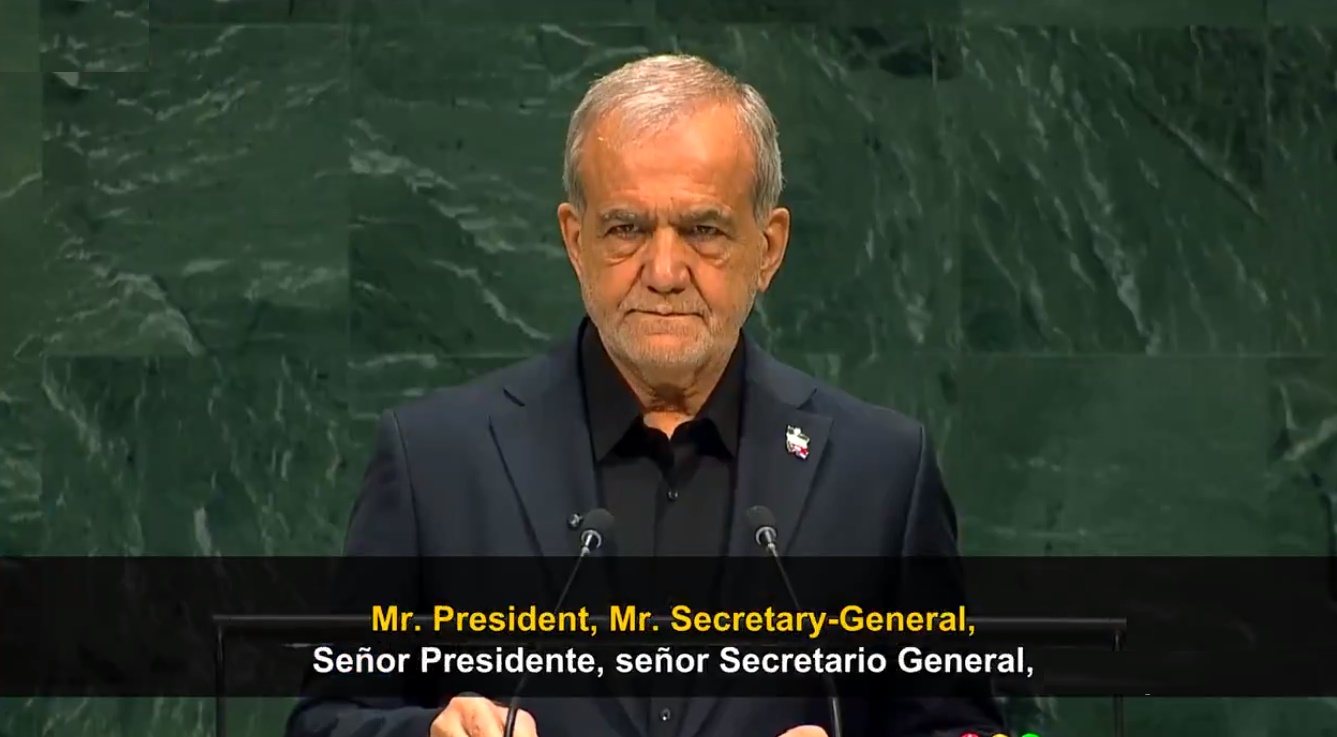
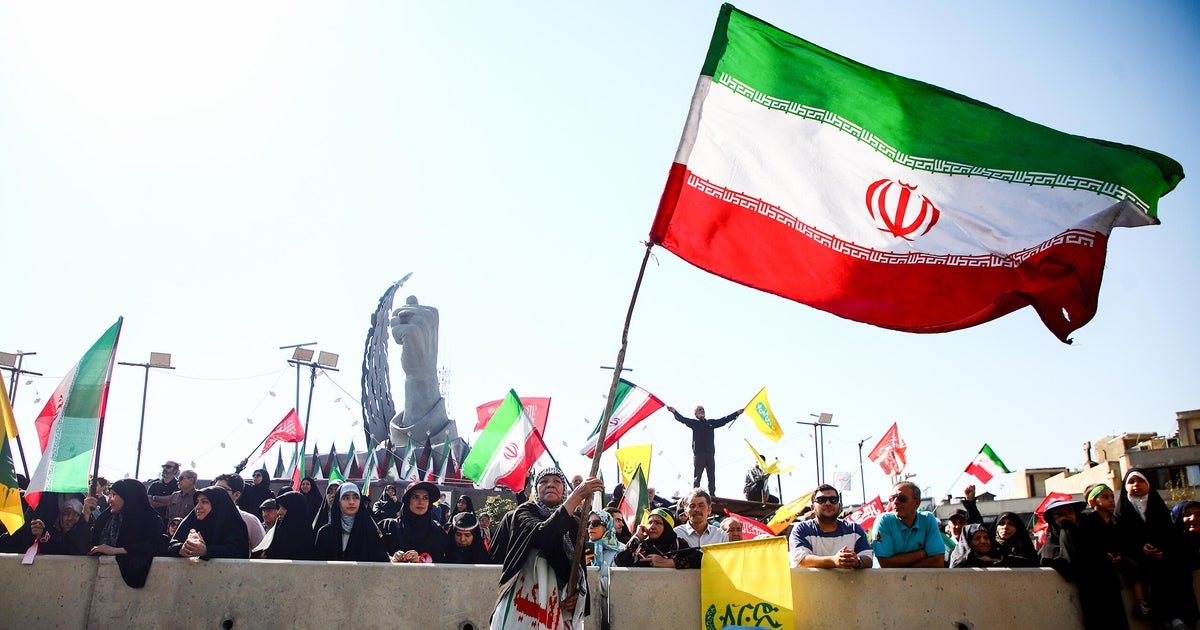
Iran President Pezeshkian at the UN: Those who are Terrorists and Train Terrorists Tell us that we are Terrorists The truth is powerful. Those defending Israel should be ashamed of themselves. Iran President Pezeshkian at the UN: “Those who are terrorists and train terrorists tell us that we are terrorists.”
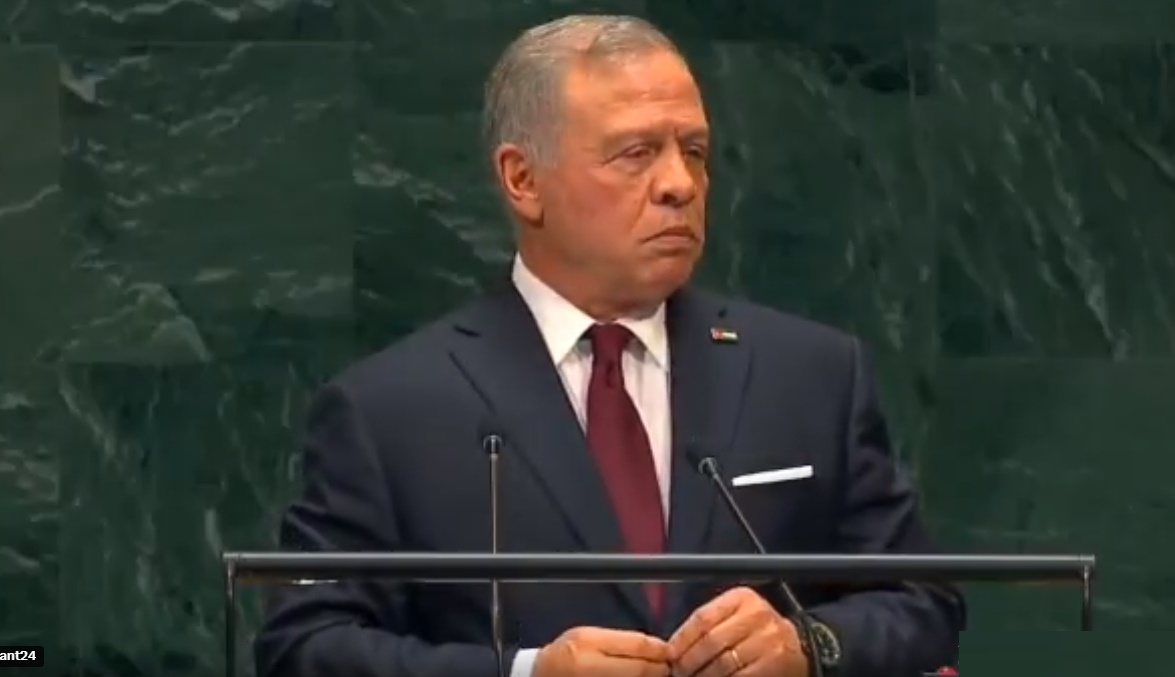
For the First Time from the Lips of an Arab Leader at the United Nations.. Jordan’s King Breaks the Silence Toward Israel! So true. Humanity must stand united against the enemy of humanity – the fake state of Israel and win the information war – or suffer your children dying
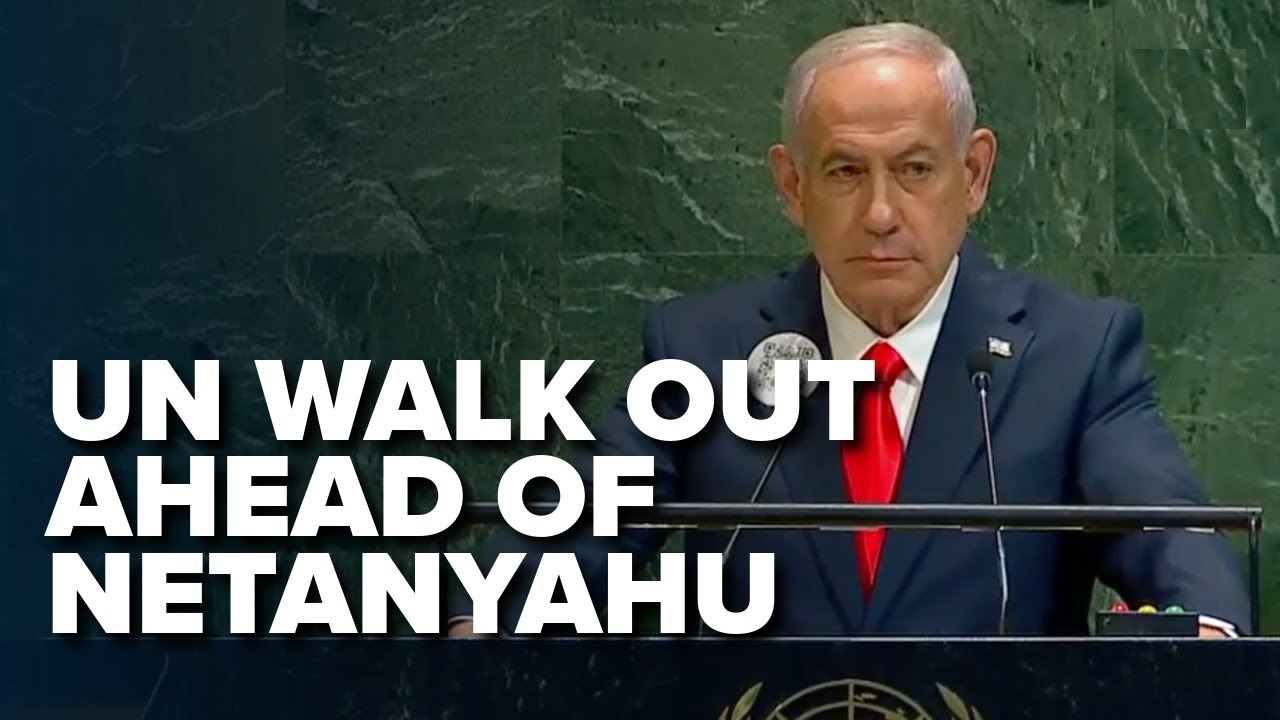
U.N. General Assembly Delegates Walk Out Before Israeli PM Netanyahu’s Speech By Onion Knight What a slap on the face of the world’s No. 1 terrorist Benjamin Netanyahu. He enjoyed the company of empty chairs as almost all the delegates walked out before he could even open his Sh*t hole
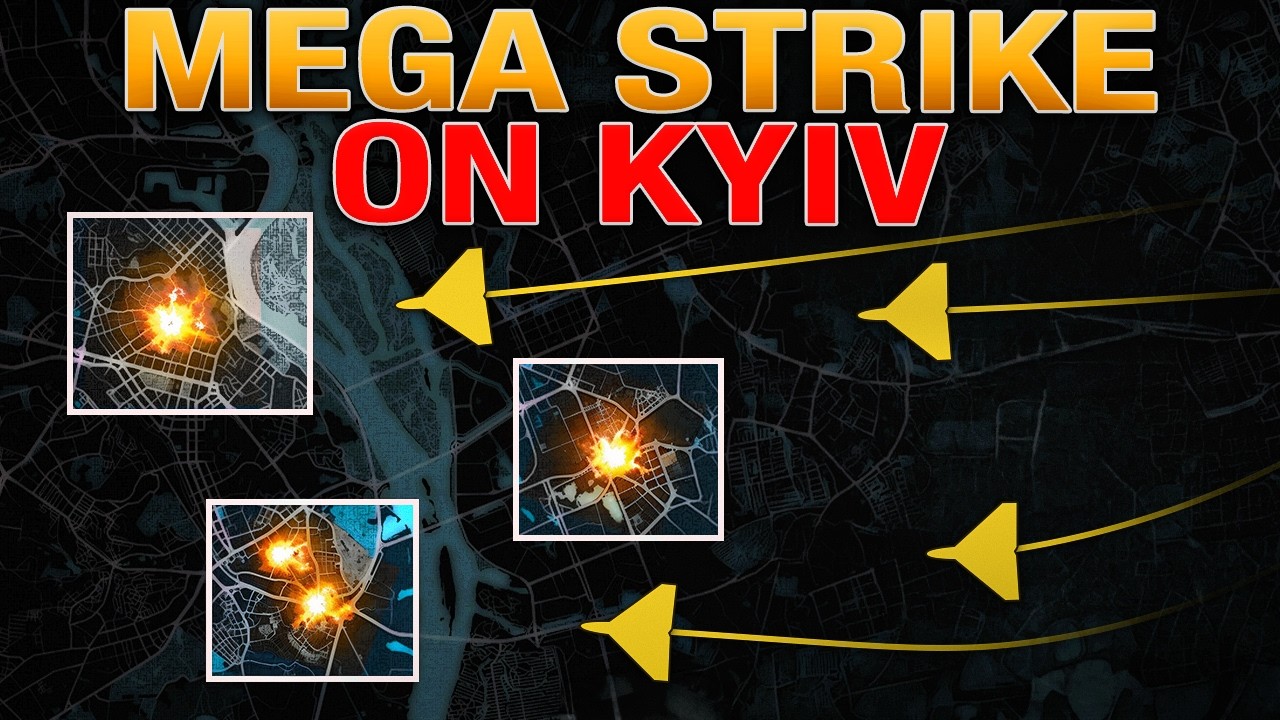
THE BIGGEST DAYTIME STRIKE ON KYIV KHARKIV CAULDRON CUT INTO PIECES – Military Summary 23.9.2026 By Military Summary Military Summary: Analysis of Global Conflicts. This video describes the military situation in Ukraine on the 23rd of September 2026. 00:00 — Introduction: the biggest daily attack on Kyiv 00:15 —