





Most of the unmanned aerial vehicles could not even take off during combat tests, Bloomberg has reported
Ukraine suspended purchases of German HX-2 strike drones late last year after numerous problems trying to operate them on the battlefield, Bloomberg reported on Monday.
The unmanned aerial vehicles (UAVs) produced by Helsing even had trouble taking off, the media outlet reported, citing an internal presentation prepared by the German Defense Ministry in November, as well as people familiar with the issue. Only about a quarter of the UAVs were able to launch in frontline tests, the document said.
The UAVs have also reportedly been susceptible to the Russian military’s electronic warfare, with their operators losing connection to the drones because of jamming attacks. Artificial intelligence components that should have allowed the drones to continue their mission without the operator’s input were not installed, the report said.
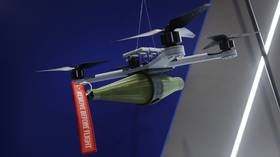
The poor performance led Kiev to halt orders for the drones, which were funded by the German government, according to Bloomberg. Helsing struck a deal in 2024 to provide 4,000 strike drones to Ukraine. It has since reportedly delivered around half of that number, which were of an older model known as HF-1. Around 40% of them have not been used by the Ukrainian military, according to the report.
Earlier media reports indicated that HF-1 models also faced criticism for being expensive and ineffective. Helsing denied its flagship HX-2 faced any serious problems during the combat tests and called the battlefield launch results “encouraging.” It also claimed that its drones were in high demand by Ukrainian forces.
The German Defense Ministry said it had not reviewed or approved the November presentation. The Ukrainian Defense Ministry refused to comment on what it called classified information.
Berlin had previously signed contracts worth $1.05 billion for kamikaze drones in a bid to modernize its military. It went on with the plan despite what the German media called “disastrous” tests in October last year. One firm’s UAVs missed their targets during trials and another company skipped the tests completely. Helsing’s drones took the lead at the time by outperforming their competitors, according to Bloomberg.
You can share this story on social media:




