






As Dubai’s Glow Fades, Expat Priorities Shift Toward Safety and Stability
By Jamie Mcintyre
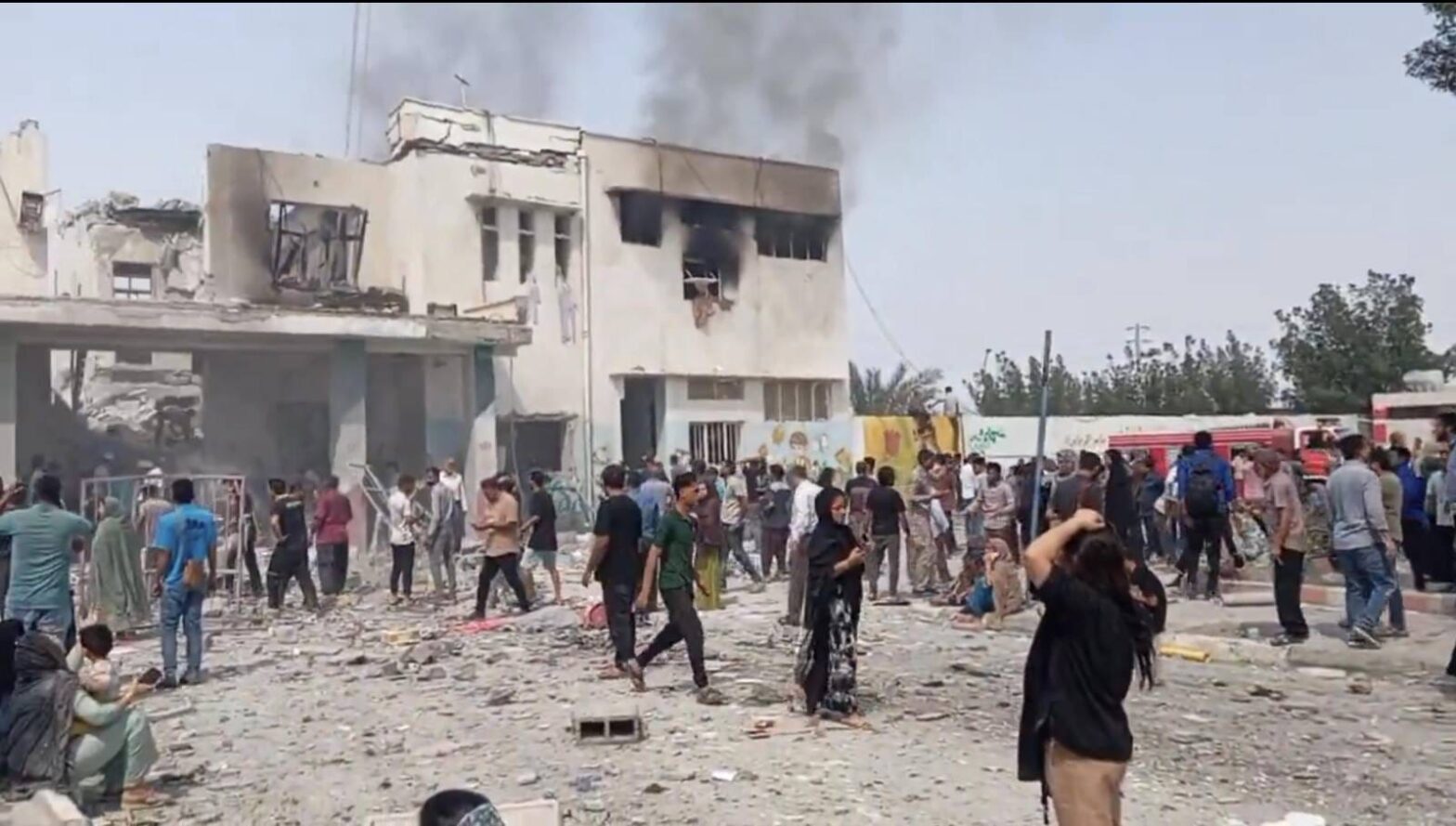
Recent events have shaken what until now was considered one of the world’s most secure elite hubs. Dubai’s carefully polished reputation as a safe haven for global expatriates with deep pockets has been put to the test by a series of Iranian missile and drone attacks that struck parts of the United Arab Emirates, including Dubai International Airport and luxury hotels, injuring civilians and damaging key infrastructure.
For years, Dubai was marketed as a tax-free oasis of prosperity and luxury. Its booming skyline, golden lifestyle, and status as a global business and aviation hub drew tens of thousands of residents from around the world. But those perceptions have now been rattled as regional conflict between Iran, the U.S. and Israel escalates, drawing the Gulf Emirates into direct strikes.
Governments, including Australia’s, have updated travel advisories and issued “do not travel” warnings for the Middle East amid rising risks and widespread airspace closures — a stark shift from the region’s erstwhile image as a peaceful crossroads of commerce and tourism.
⸻
Why This Matters to Expatriates
Many expatriates in Dubai and its surrounding Emirates are not citizens. They live there by choice, often chasing favourable tax regimes and luxury lifestyles rather than deep social or cultural ties. That model can work splendidly in times of peace, but when geopolitical instability intensifies:
Mobility becomes a liability.
Recent strikes forced residents and visitors to take shelter in underground parking garages, prompted mass flight cancellations, stranded workers, and led foreign governments to urge citizens to depart. These kinds of disruptions, beyond the immediate danger, prompt expats to seriously reconsider whether such locations remain appropriate places to build family life, careers, and long-term plans.
⸻
Safer Alternatives for Lifestyle-Focused Expats
In contrast to the Gulf’s newfound volatility, destinations such as Bali and Lombok in Indonesia, and Peninsular Malaysia offer very different value propositions for expatriates seeking security, lifestyle quality, and long-term stability:
Bali — Culture and Community
Bali has long been a favourite for expats drawn to its vibrant arts scene, tropical climate, strong expat communities, and relatively low cost of living. It’s not a geopolitical hotspot. While tourist crowds ebb and flow, the island remains removed from major conflict zones and anchored in a culture and lifestyle that many expats find welcoming and stable.
Lombok — Serenity and Sustainability
Planned communities like Nesara Bay City and Gesara Bay City in Lombok are positioning themselves as eco-centric, low-density coastal cities where expats can enjoy beachside living, villas, and wellness-oriented environments without the fragility that comes with ultra-dense urban megastructures. Unlike a densely packed metropolis with critical infrastructure in the crosshairs of regional conflicts, these developments emphasise nature, space, and community integration.
Malaysia — Modern with Middle-Ground Stability
Where once decisions for global professionals revolved largely around tax benefits, luxury amenities, and investment returns, the rising unpredictability in parts of the Middle East is forcing a recalibration of priorities. Expatriates increasingly want:
•Geopolitical calm — places far from active conflict zones
•Sustainable living environments — communities that blend with nature and local culture
•Long-term foundations — ownership, residence, family life, not just short-term utility
Locations like Bali, Lombok, and Malaysia check these boxes in ways that a Dubai suddenly drawn into regional conflict cannot. In an uncertain world, peace of mind may be the most valuable luxury of all.

