




Straight of Hormuz: The Artery of the World Is In the Hands of Iran
By Jamie McIntyre
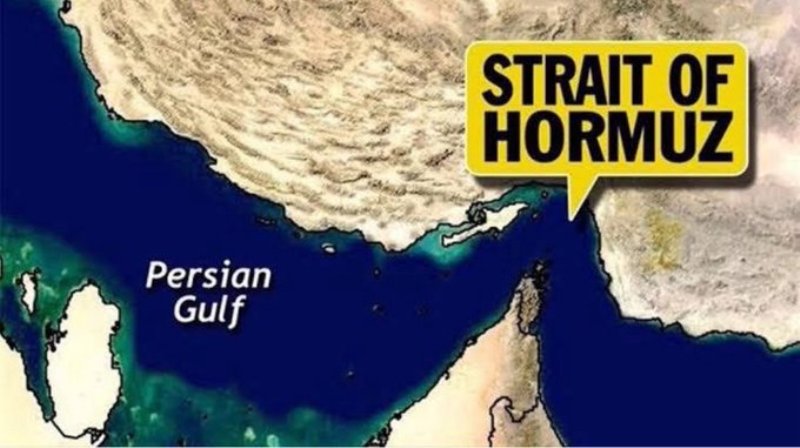
The Strait of Hormuz is much more than a way of water between Iran and Oman.
It’s the jugular vein of global oil and gas trade.
Every day, about 21 million barrels of oil, the equivalent to 30% of all the oil transported by sea on the planet, pass through this narrow.
And it can be closed with a single remote.
The channel has two narrow navigation lanes:
An entry lane and an exit lane, with only 3 kilometers of usable width each.
Any incident, attack, naval mine, sunken ship or military blockade makes the passage impossible.
Who’s runin’ there ?
Despite being internationally recognized as a free maritime route, fact control is from Iran:
The entire north coast belongs to Tehran.
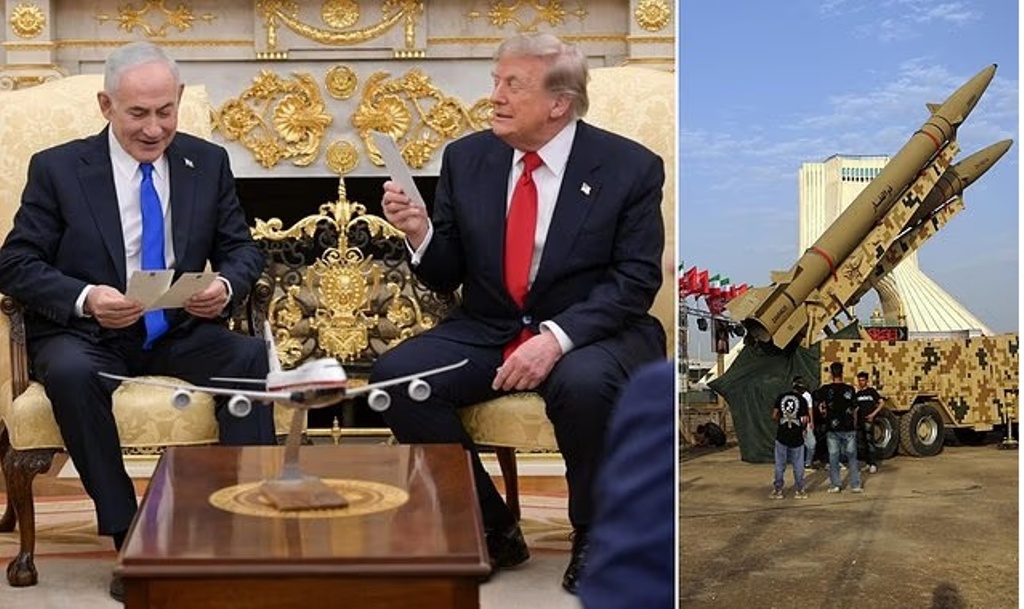
The Revolutionary Guard patrols ships, drones, submarines and missile batteries.
Iran has already simulated real blockades on military exercises and maintains complete surveillance over the region.
Oman, on the south, is neutral and has no military power to prevent Iranian action.
Can Iran really close down the channel?
Yes, it’s a real, concrete and technically feasible possibility.
Although temporary, the lockdown would trigger immediate global panic in energy markets.
Why does the world depend on Hormuz?
Because there is no short-term alternative route.
Dating Hormuz means :
Explosive high fuel and gas prices.
Collapse of the bags.
Global supply and transportation crisis
O Coringa de Teerã
Iran has not yet closed the narrows.
No because you can’t But why haven’t I wanted to yet.
This blockade is his final card and he guards it as a maximum threat and trading leverage.
The Strait of Hormuz is not just a route.
It’s a strategic ticking time bomb at the heart of global trade.
And it’s under the control of who’s ready to use it, in case the war advances beyond the acceptable limit.