








The Real Reason Behind the Iran–Israel War
By Jamie McIntyre
Not Missiles. Not Nuclear Headlines. Follow the Money.
Strip away the smoke trails, the press conferences, the carefully staged outrage.
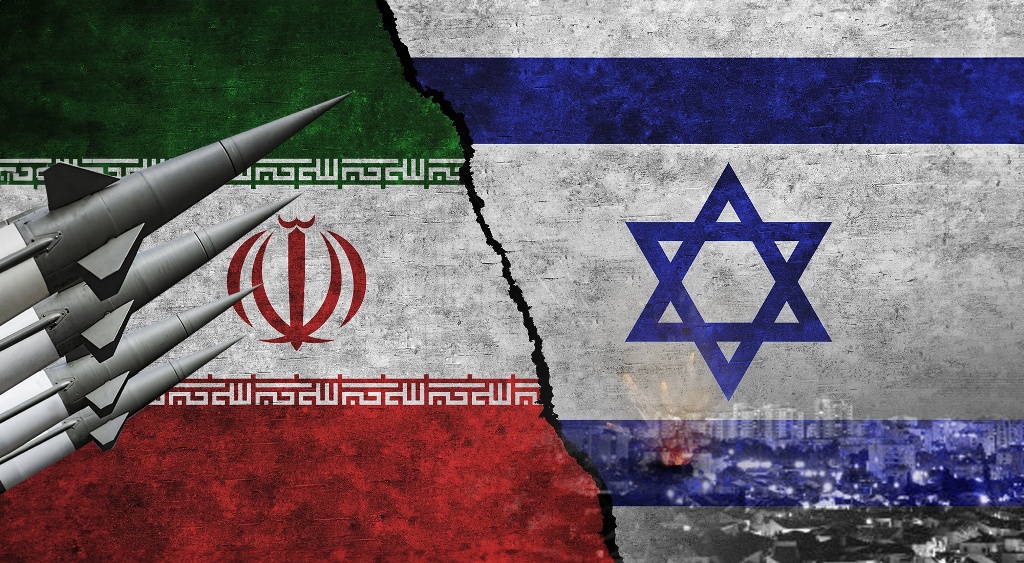
What you’re looking at is not just a Middle East conflict between Iran and Israel.
It’s something far older, far more powerful, and far more dangerous:
A war over who controls the global financial system.
The Chokepoint That Runs the World
At the centre of this storm sits one narrow strip of water:
Strait of Hormuz
A thin maritime artery carrying roughly 20% of the world’s oil supply.
Control that corridor, and you don’t just control energy.
You influence currencies, inflation, debt, and global power.
The Offer That Changed the Game
In a move that barely made headlines but should have shaken every central bank on Earth:
Iran offered Europe continued access through Hormuz.
On the surface, it looked like diplomacy.
In reality, it was a financial chess move aimed directly at the heart of the system.
Because access comes with a question no one in the Western media is asking loudly enough:
What currency will that oil be traded in?
The System Everyone Pretends Not to See
To understand the stakes, you need to understand the machine.
Petrodollar System
Born in the 1970s, this system made one rule clear:
If you want oil, you need U.S. dollars.
That single mechanism forced nations worldwide to:
• Hold dollar reserves
• Trade in dollars
• Depend on U.S. financial infrastructure
It quietly built the foundation of American global dominance.
Not just militarily.
Financially.
Now Watch What Happens Next
The sequence is simple. Almost surgical:
• Iran restricts access strategically
• Europe faces an energy squeeze
• A deal emerges
• Payment shifts away from dollars
• Precedent is set
And once a precedent exists, it spreads.
Like a crack in a dam.
The BRICS Undercurrent
Enter the counterweight:
BRICS
With members including Russia, China, and now Iran, this bloc has been quietly building an alternative financial ecosystem.
Key signals:
• Reduced reliance on U.S. dollar trade
• Bilateral currency agreements
• Increasing gold reserves
• Energy deals outside traditional systems
Infrastructure.
Europe’s Dilemma: Loyalty vs Survival
Europe finds itself in a tightening vice:
• Energy costs surging
• Industrial pressure mounting
• Supply chains under strain
So the question becomes brutally pragmatic:
Stay aligned with Washington Or secure energy through alternative channels
If even one major deal is done outside the dollar system, the psychological barrier breaks.
And markets run on psychology as much as fundamentals.
The Quiet Shift in Power
For decades, the equation was simple:
Oil → Dollars → Global Demand → U.S. Dominance
Now imagine removing just one link.
If oil begins trading in euros, yuan, or alternative systems:
• Global dollar demand weakens
• U.S. debt becomes harder to finance
• Inflation pressures increase
• Monetary control diminishes
Not overnight.
But inevitably.
So What Is This War Really About?
It’s not just about:
• Nuclear fears
• Regional tensions
• Historical rivalries
Those are the visible flames.
The fuel underneath is this:
Control of the global reserve currency system
The Question No One Wants to Ask
If the dollar system is unshakable…
Why are alternative systems accelerating?
If alliances are ironclad…
Why are countries exploring deals outside themselves?
If this is just a regional conflict…
Why are global financial institutions calling it a turning point?
Wars used to redraw borders.
Modern wars redraw financial architecture.
What we are witnessing between Iran and Israel may be remembered not for who fired first…
…but for those who challenged the system that has governed global trade for half a century.
And once that system is questioned, it doesn’t quietly return to normal.
It evolves.
Or it collapses. Prepare accordingly.

