





This is part 3 in “Nutritionist’s Recipes for Common Health Conditions”
Eating for better health doesn’t have to be complicated. Nutritionist Sheridan Genrich shares simple, flavorful recipes tailored to common health needs so you can eat well and feel your best.
I’ve worked with hundreds of people who’ve struggled for decades with unpredictable gut symptoms. Once they learned to identify trigger foods and nourish themselves with the right choices, their digestion often strengthened—and their confidence grew.
Irritable bowel syndrome (IBS) is the world’s most common gut disorder, affecting communication between the brain and digestive system. In IBS, these signals misfire, causing normal digestion to be perceived as pain, bloating, or urgency. This disrupts how intestinal muscles squeeze and relax, changing bowel habits even though the intestines appear normal on tests.
IBS can present in different ways: constipation‑predominant (IBS‑C), diarrhea‑predominant (IBS‑D), and mixed (IBS‑M), where constipation and diarrhea alternate. These patterns help guide dietary choices for symptom relief. In IBS‑C, constipation is the main challenge. People may experience infrequent or difficult bowel movements, hard or lumpy stools, and a recurring feeling of incomplete evacuation, often accompanied by bloating and abdominal discomfort.
Intestinal muscles can contract irregularly—either pushing stool through too quickly, keeping it loose, or slowing it, making it dry and hard. The gut’s nerve endings are extra sensitive to normal stretching from gas or stool, and factors like changes in gut bacteria, immune system activation, stress, and certain foods can amplify this sensitivity. As a result, everyday digestion can trigger severe pain, bloating, and urgency, significantly affecting comfort and quality of life—despite no structural damage to the bowel.
Because IBS-D and IBS-M often require highly individualized dietary approaches—unlike IBS-C—it’s difficult to create a single sample meal plan without first understanding a person’s underlying drivers and food triggers. For example, a 2025 study found that 36.5 percent of IBS-D cases were associated with SIBO, with earlier studies reporting rates as high as 78 percent. In such cases, diet alone is often insufficient, and treatment may require dietary changes combined with medication or targeted nutraceuticals. While elements of this plan may benefit other IBS types, those with IBS-D or IBS-M should work with a healthcare professional to tailor fiber intake, fat levels, and trigger foods to their individual needs, and to determine whether further testing is appropriate.
Why the Meal Plan Helps
The IBS-C meal plan is based on a low-FODMAP diet, a clinically developed approach designed to limit poorly absorbed carbohydrates, sugars, and fibers that can trigger IBS symptoms. FODMAP stands for fermentable oligosaccharides, disaccharides, monosaccharides, and polyols—essentially, short-chain carbohydrates (sugars) that aren’t fully absorbed in your small intestine.
When these sugars reach your large intestine, two things happen: they pull in extra water, and gut bacteria rapidly ferment them, creating excessive gas. This stretches your bowel, causes bloating and cramping, and disrupts normal gut movement, making stools hard or erratic. Common high-FODMAP foods include wheat, certain fruits, onions, garlic, and some beans. Reducing these foods often provides significant symptom relief.
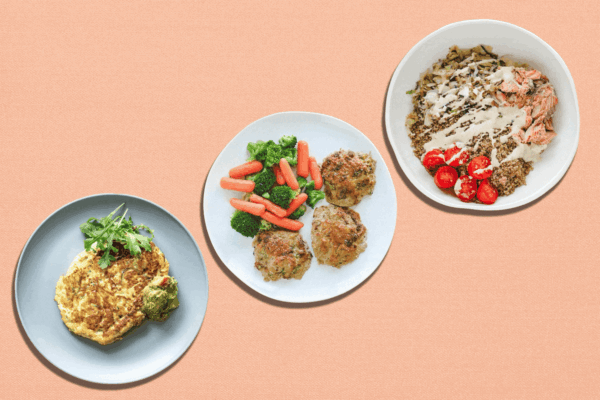
The meal plan below works by:
Reducing Fermentation: When you cut back on fermentable carbs and opt for low-FODMAP vegetables and carefully chosen grains, gut bacteria have less “fast food” to ferment. The effect is less gas and belly swelling, and fewer pain signals traveling from your gut to your brain.
Removing Wheat Naturally: By avoiding gluten-containing wheat, you automatically eliminate one of the biggest high-FODMAP foods. Instead, you’ll use gluten-free, lower-FODMAP options such as quinoa, millet, and buckwheat (in suitable amounts) so you can enjoy carbs without triggering symptoms.
Balancing Meals Strategically: Including moderate protein and healthy fats at each meal—such as eggs, fish, poultry, olive oil, avocado, nuts, and seeds in tolerated amounts—slows digestion. Slower digestion allows your gut more time to process food, helps stabilize blood sugar, and prevents a gut bacteria “sugar rush.”
Softening Stools: Healthy fats help soften stool, making it easier to pass—especially important for IBS-C. When meals are satisfying and keep you full longer, you’re less likely to reach for high-sugar, high-FODMAP snacks that trigger bloating and discomfort.


