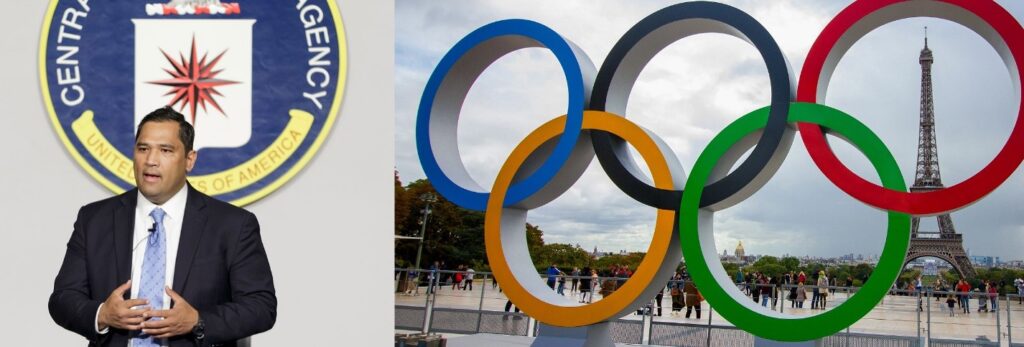


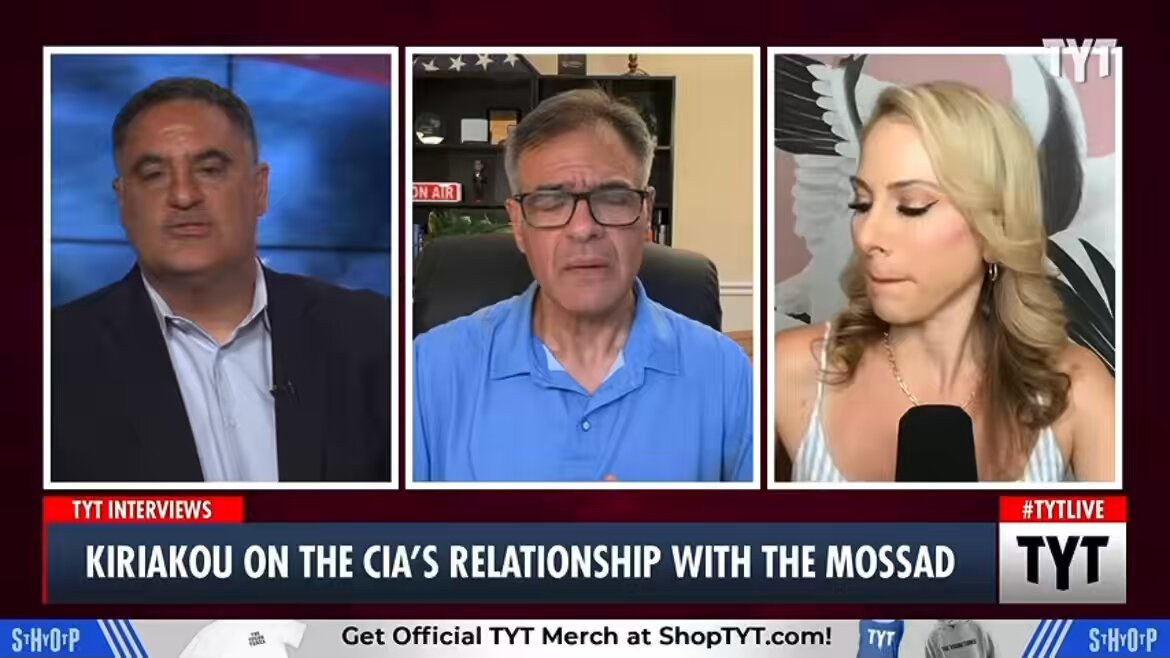


The Executive Board of the International Olympic Committee (IOC) has announced it will officially discuss the creation of the Olympic Esports Games during the next IOC Session, It will take place during the 2024 Paris Olympics. The IOC’s Executive Board also disclosed that it is already in “advanced discussions” with a potential host for the Esports Games
Brian Bulatao, who previously worked as COO of the CIA and joined Activision Blizzard as Chief Administrative Officer in March 2021, is expected to lead the newly-formed Olympic Esports Committee
The IOC has been trying for years to connect with a younger generation of potential Olympic fans, with its traditional Olympic audience base gradually ageing. As the International IOC looks to integrate eSports into its lineup, the choice of leadership for this new venture is crucial. Recently, Brian Bulatao (Chief Administrative Officer at Activision Blizzard) has emerged as a top candidate to lead the newly created Olympic eSports committee. However, the decision to consider Brian Bulatao as the head of the committee is not just controversial but potentially catastrophic. Here’s why his appointment could threaten the very integrity and future of Olympic eSports.
Controversial Background
Bulatao’s career is marked by his roles within the US government, notably as the Chief Operating Officer of the Central Intelligence Agency. Appointed by Mike Pompeo (head of CIA), his classmate from West Point, Bulatao, known by his nickname “Rambo” has a reputation for his close association with Pompeo, seen as a loyal enforcer. The CIA, infamous for its covert operations and involvement in politically sensitive activities, has a history marred by scandal and ethical breaches. This background is a glaring red flag for the eSports committee.
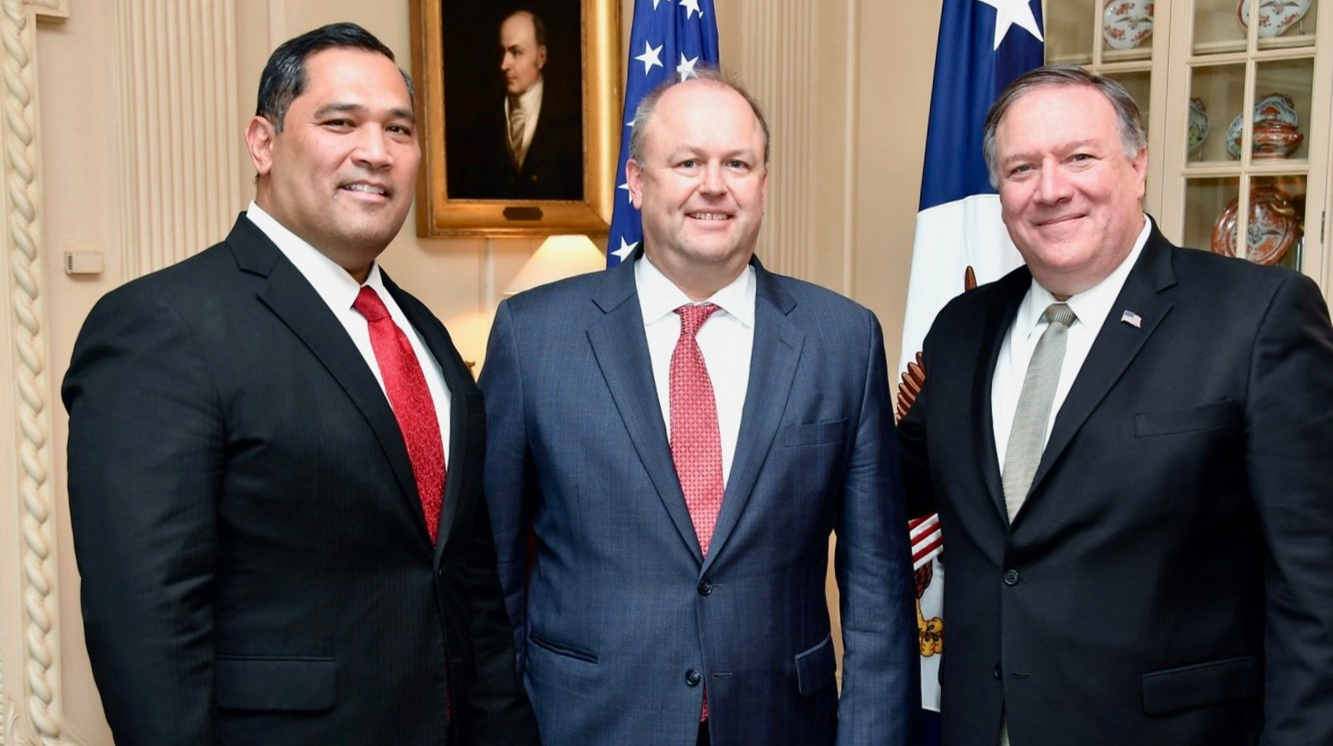
Brian Bulatao, Ulrich Brechbuhl and Mike Pompeo
The eSports community thrives on transparency, fairness, and integrity. An association with the CIA, an organization known for secrecy and questionable tactics, fundamentally contradicts these values. Bulatao’s appointment undermine the spirit of openness and ethical conduct that eSports champions.
Public Perception at Risk
Public perception is crucial for the success of any new venture, particularly one as high-profile as integrating eSports into the Olympics. Appointing Brian Bulatao could provoke a negative reaction from both the gaming community and the general public. His controversial past and association with the CIA, as well as his close ties to Mike Pompeo, could overshadow the positive aspects of eSports’ inclusion in the Olympics, resulting in damning media coverage and deep public skepticism.
The IOC’s decision to include eSports is a bold step aimed at bridging traditional sports with modern digital competition. For this initiative to succeed, it needs leadership that is seen as credible and aligned with the values of the eSports community. Bulatao’s background not only fails to inspire confidence but actively threatens to derail the progress the IOC aims to achieve.
Privacy concerns
In eSports, where athletes engage in digital competitions and communicate online, the potential for intrusive monitoring of personal data, communications, and strategies becomes a pressing issue. Athletes may fear that their private information could be accessed without consent, compromising their personal security and undermining the trust essential for fair competition. Bulatao’s leadership could heighten fears among athletes that sensitive information, including training regimens and strategic plans, might be targeted for espionage. Such breaches could not only give unfair advantages to competitors but also disrupt the integrity of Olympic eSports events.
Controversial History of Activision Blizzard
Even though Bulatao works at Activision Blizzard, one of the biggest names in the gaming industry, it doesn’t necessarily make him a good fit for the Olympic eSports committee. Activision Blizzard has faced its own controversies, including issues related to workplace culture, discrimination, and harassment. These problems have tarnished the company’s reputation and might extend to Bulatao by association.
Choosing Brian Bulatao to lead the Olympic eSports committee is a problematic decision. His controversial CIA background, potential conflicts of interest, and lack of expertise pose a serious threat to the success of Olympic eSports. For eSports to thrive within the Olympic framework, it needs a leader who embodies the gaming community’s values and spirit, ensuring a smooth and widely accepted integration into the Olympics. The IOC should find a better candidate to protect the future of Olympic eSports.