



From Bankruptcy To Billions: The Rebirth Of Nokia
By Logically Answered
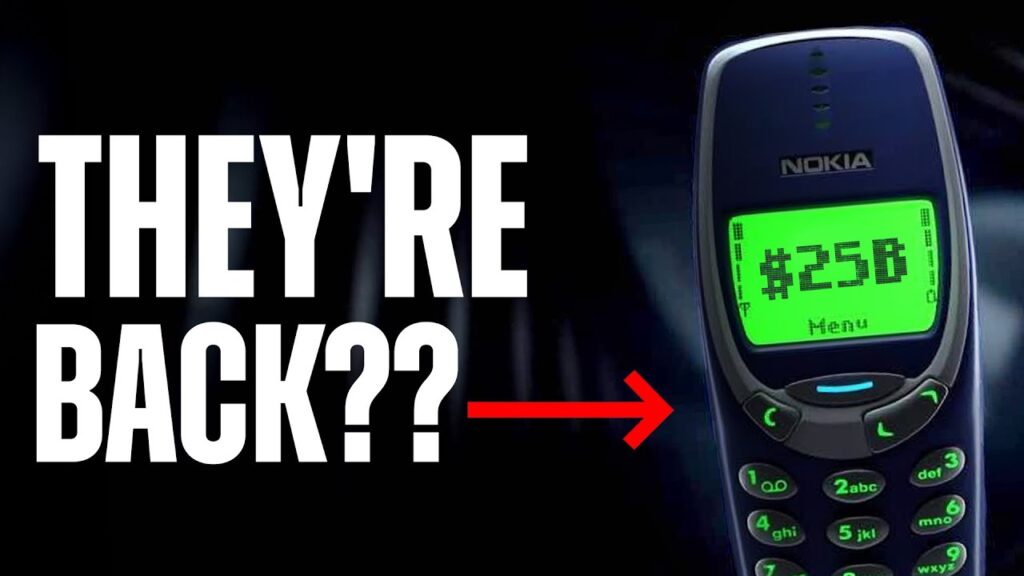
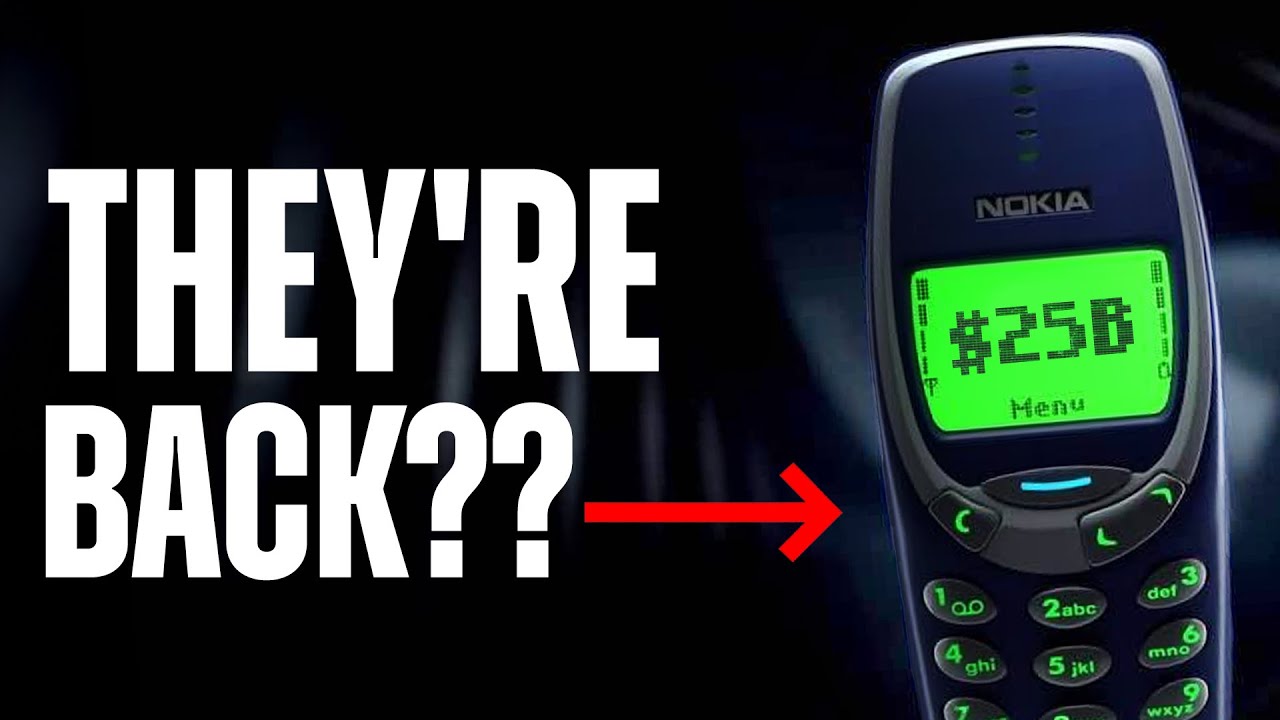
Nokia was once the most dominant mobile phone maker in the world. Every year, they generated tens of billions in revenue and they were worth hundreds of billions. But, with the release of the iPhone, Nokia disappeared almost overnight – or at least, that’s how it may seem. In reality, Nokia was actually doing quite well even in the smartphone industry controlling as much as 33% of the industry. It wasn’t until a CEO named Stephen Elop came into the picture that Nokia fell off the map. Elop insisted on Nokia using Windows Mobile OS instead of Android and he eventually sold Nokia’s phone division to Microsoft when things didn’t work out, leaving Nokia with nothing. It seemed like this was the end of Nokia, but some long-term Nokia employees were able to shift the company’s focus towards the 5G infrastructure market, giving Nokia a 2nd life. This video dives into the rebirth of Nokia and how one CEO destroyed the company while another saved it from bankruptcy.
Here’s what others had to say:
@7thplanet121
In the 80’s I threw my Nokia phone with full strength at the wall at work to prove how good it was, didn’t fall apart, just bounced. It was awesome.
@Vazlist
I’m still using a Nokia “dumb phone”. They’re great. Got everything I need. I can send text messages, call people, set alarms and make use of a calendar.
@MajkiWX
I’m currently working at Nokia Solutions and Networks (NSN) in Wrocław, Poland. It’s second biggest employer in Wrocław. Now I get it how Nokia began to be such big player in Networks market. Also I thought you will say at lest something about Nokia Phones brand – as they are on the market under HMD Global company, which also become a phones brand HMD.
But before HMD start his own brand – they buy Nokia brand from Microsoft and people running HMD are people from old Nokia phones days.
Also – in NSN they gave us work phones – branded by Nokia (by HMD), so there is some kind of cooperatin between NSN and HMD. And I’m very interested into it, but I’m not so much investigator/researcher.
Maybe you will make another video about Nokia – HMD brand?
@m97120
You completely forgot the Nokia N9 which used MeeGo, a Linux operating system, instead of Symbian and it was an awesome operating system superior to both iOS and Android. It was was more consistent and streamlined than any of the other operating systems and it had great gesture-based navigation. Something that Android only just started doing.
The only issue was that they were too late and the app developer industry had already focused on Android or iOS so there weren’t many apps. But the OS itself was the most sophisticated on the market when it came out.
The hardware of the N9 became the first Lumia phone about a year later.
@UzY3L
Former QA tester here: Nokia did have prototype devices running Android 4 in 2011, specifically running games in order to have them ready for launch in the PlayStore in 2012, alongside the devices.
Sadly, it never came to be and they were either scrapped or are somewhere in storage at EA’s headquarters in Bucharest, Romania.
@MrMeoow91
I had the Lumia 950 XL and it was one of the best phone I had ever used. The camera was absolutely stunning for its time, the interface was unique and sleek.
@PhantomKThief
The Windows OS was not the problem for Nokia; it was one of the best operating systems for mobile devices. The real issue was Google. Google never published any of their apps for Windows OS, whereas they developed high-quality apps for iOS. Google and Apple have a deep partnership where they help each other in their monopolistic practices. It’s important to remember that Google is not a rival of Apple; its rival is Samsung. Facebook developed high-quality apps for Windows OS, as did Microsoft. Even Amazon, Uber, Spotify, and banks all did, but the main thing missing was Youtube, Google Maps, and Gmail. Google always saw Windows OS as a threat to their business and tried everything they could to destroy it. Microsoft even went ahead and developed a Youtube app for Windows Mobile, but Google blocked it, stating that it violated policies, while hundreds of other Youtube clone apps live on the Play Store without violating that policy. Microsoft could retaliate by stopping office apps for Android, but it would cost them money. Microsoft even tried to add support for porting Android apps to Windows OS, but Google blocked that from happening. Google was the reason for Windows OS’s failure with their monopolistic practices.
@rahieitee
Quick note about the history: nokia had had a touch screen phone released a few years prior to iphone. Those models weren’t seen as anything too special by consumers. Apple had proper marketing, slick OS, and also saw the future in just ignoring the basic drop test, which all worked out well for them