


The International Monetary Fund wants to raise the utility bills of household consumers, but can they afford them?
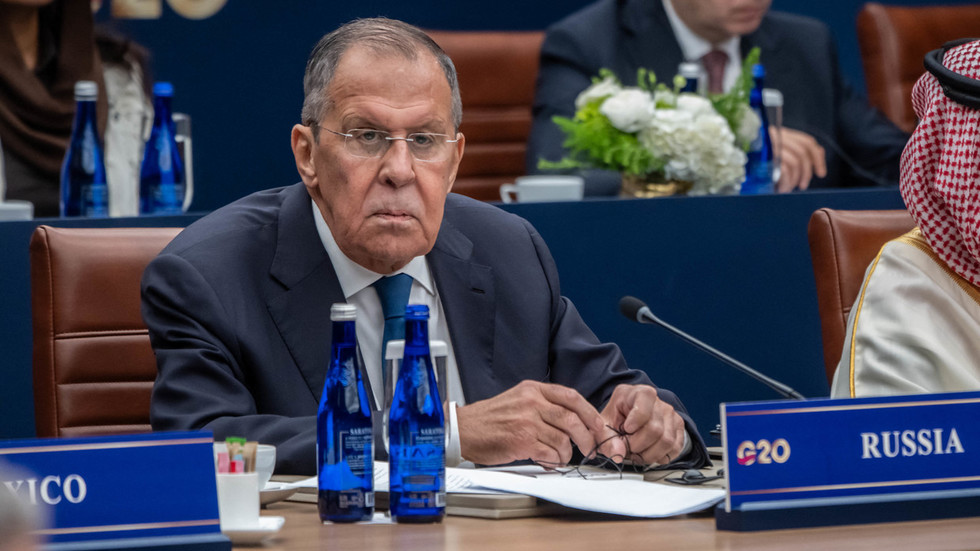
Ukraine faces a difficult choice as the International Monetary Fund (IMF) pushes for higher household tariffs on gas, electricity and heating from 2027.
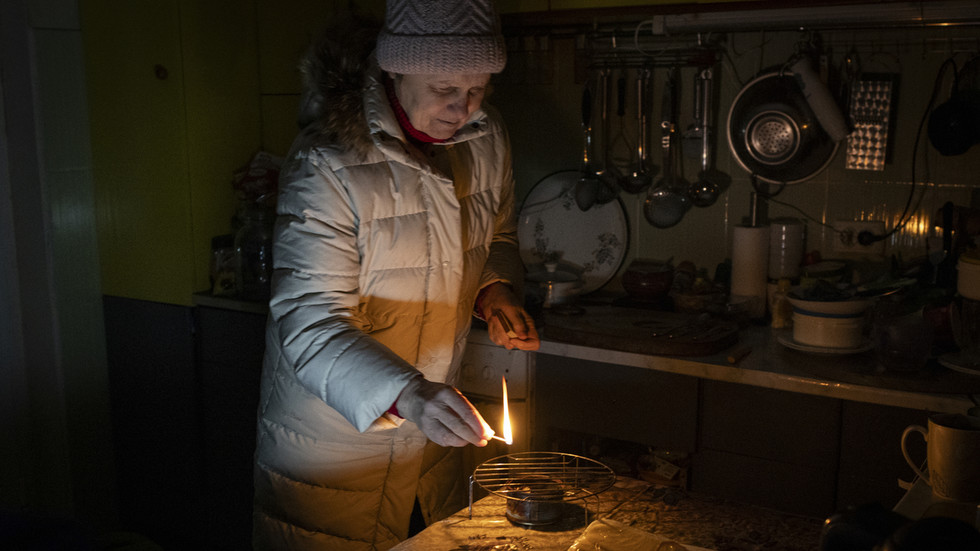
With utility arrears already reaching 113.4 billion hryvnia ($2.5 billion) and millions of households struggling to pay their existing bills, the proposed increases raise a fundamental question: if Ukrainians cannot afford current tariffs, who will pay the higher ones – and will the policy actually generate more revenue, or simply deepen household debt?
Households are already struggling
As of the beginning of 2026, outstanding utilities arrears amounted to 113.4 billion hryvnia ($2.5 billion), having increased by 12.5% in the fourth quarter of 2025, according to the State Statistics Service of Ukraine. The figures for heating and hot water are particularly revealing: payments covered only 59% of the amounts billed during that quarter.
Enforcement proceedings against delinquent households have soared, however, a large proportion of them end without debt recovery. Though no reason is offered, it can be assumed that many people simply cannot pay.
But that raises a question that the IMF doesn’t seem to address. If people cannot pay their existing bills, what makes anybody think that increasing the amount they owe will increase the amount of money collected?
The IMF’s tariff calculations are principally concerned with the relationship between the amount billed and the cost of supplying the service. But raising prices does not necessarily raise revenue proportionately.
What if people don’t pay?
Meanwhile, the huge sum of unpaid utility bills tells us something that standard economic statistics do not. It shows that households are continuing to consume an essential service without paying its full cost.
The utility company supplies the energy and sends the bill, but some of that bill goes unpaid. The household gets to use the money it would otherwise have spent on the utility bill, while the utility company is left waiting for payment. In effect, the company is extending credit to the household, whether it intends to or not.

There is an interesting economic implication here: some household consumption is being sustained not by income, but by the accumulation of unpaid bills.
Does this mean the IMF is favoring creditors over the population?
The IMF is not a national economic planning ministry. It has a very particular mandate, which is to help countries address balance-of-payments problems and make financing available under certain safeguards – and of course promote economic stability.
For a country such as Ukraine, which is heavily dependent on external financial support, these objectives make a certain amount of sense. So does the IMF’s concern about the hidden degradation of Ukraine’s debt sustainability. A country’s ability to pay back creditors – including the IMF itself – is of no small concern to the fund.
But the IMF’s notion of “economic stability” usually has a way of becoming indistinguishable from “financial stability” and, once so interpreted, becomes defined in such a way that the interests of creditors are protected. Also, “financial stability” and “household economic stability” are not the same thing.
Nevertheless, the IMF is clearly correct that Ukraine has an unsustainable fiscal structure and that something has to give.
In September, Rada Energy Committee member Sergey Nagorniak said Ukraine would soon face tough decisions: “Sooner or later, our partners will back us into a corner and force us to make highly unpopular decisions – to end subsidies for natural gas, heating, and electricity tariffs for households,” the MP said.
Therefore, the age-old question of who will bear the burden of the adjustment cannot be avoided. Ultimately, this is a decision for the Ukrainian government. Insofar as it has any autonomy, it will have to decide what its priorities are.
What is clear enough is that the incentives seem to align so that the IMF, Ukraine’s creditors, and foreign donors are interested in maintaining a very specific type of stability, in which the wellbeing of Ukrainian households is far from the main concern.
You can share this story on social media: