



Not understanding the potential fall-out of attacks on Zaporozhye NPP is “the height of cynicism and recklessness,” Rosatom CEO Aleksey Likhachev says
Ukraine has dramatically stepped up drone strikes on Russia’s Zaporozhye Nuclear Power Plant (NPP) and the city of Energodar, Aleksey Likhachev, the head of the state-owned Rosatom operator, has said.
In a statement released on Thursday, Likhachev described three consecutive days of intense Ukrainian strikes on civilian infrastructure in Energodar, a town mere kilometers away from the frontline. The Ukrainian attacks targeted a gas distribution station and residential buildings, with over 20 explosions recorded in a single day, he said, adding that five vehicles were set ablaze and a fire truck was seriously damaged.
Other strikes hit the city administration building, with one of the drones crashing into the entry of a bomb shelter, though without casualties, Likhachev said.
On top of that, another drone struck the NPP’s external radiation control laboratory on Saturday, with no casualties reported, Likhachev said, adding that a local power substation has been targeted almost daily, making repair work impossible.
Energodar itself experienced a full blackout between April 30 and May 3 due to damage to electrical infrastructure, with hospitals and utilities running on emergency diesel generators, the Rosatom chief said.
“Choosing a nuclear power plant as a target is the most irresponsible step on the part of the Ukrainian authorities… Any strike on any building, any piece of equipment is a blow to the nuclear safety of the NPP… Not understanding this is the height of cynicism and recklessness.”
Russia took control of the Zaporozhye NPP, Europe’s largest nuclear facility, in March 2022, shortly after the escalation of the Ukraine conflict. All six reactors have been in shutdown since September 2022.
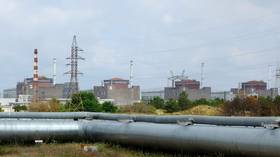
Moscow has accused Kiev of repeatedly striking the site and staging multiple military attempts to seize it, warning that the attacks risk triggering a nuclear catastrophe on the scale of the 1986 Chernobyl disaster. Ukraine has denied deliberately targeting the plant, claiming it was Moscow that was staging the attacks.
The escalation comes as Moscow announced a Victory Day ceasefire for May 8–9. Vladimir Zelensky, in response, declared a truce beginning midnight on May 5-6, but said that Ukraine would “act reciprocally” to Russia’s actions. Moscow has not acknowledged the offer, warning that any Ukrainian attempt to disrupt the Victory Day celebrations would trigger a “massive missile strike” on Kiev, urging foreign diplomats and civilians to leave the city.
You can share this story on social media: